How To Fix Low Water Pressure In Your Home
Why Is My Water Pressure Low?
If the water pressure in your home is not right, even the simplest everyday tasks can become frustrating. Showering, washing dishes, or even using the washing machine can be difficult. When the water flow is no longer constant or seems weak, it affects the performance of appliances. This causes the plumbing system to start failing.
But are all pressure problems that serious? Do they require immediate complex repairs? The good news is that no, at least in most cases. Find out how to detect the source of the problem.
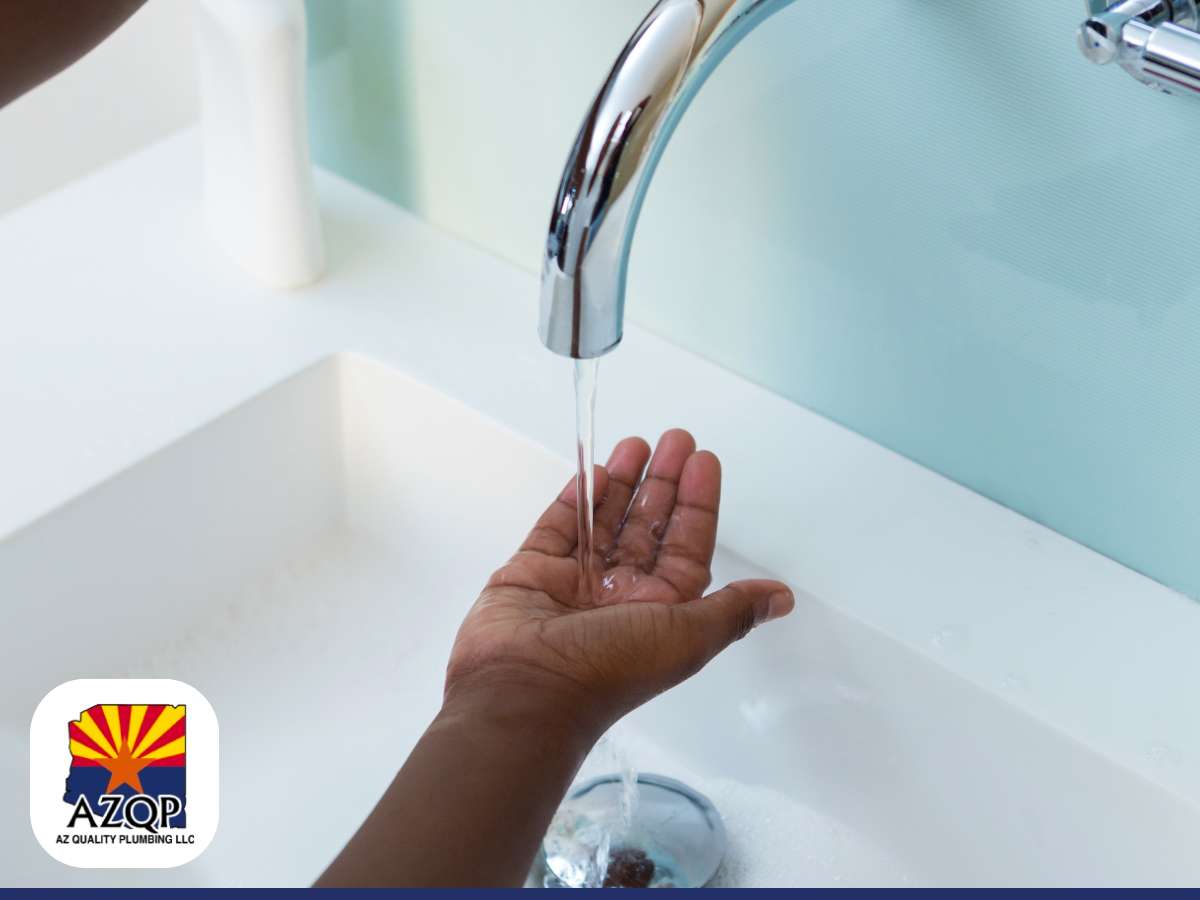
Quick Solutions For Low Water Pressure
There are many reasons why water pressure can drop gradually or even suddenly. While some are related to internal components, others depend on external factors. There are several common causes for this to occur. For example:
- Mineral buildup in faucets and showers.
- Partially closed valves.
- Defective pressure regulators.
- Old, corroded pipes.
- Leaks in hidden pipes.
- Problems with the municipal supply.
Understanding the exact reason is key to avoiding unnecessary solutions and applying the correct fix from the start. This is precisely the key. It is not always necessary to hire emergency plumbing services. Sometimes, minor adjustments are sufficient.
For example, it is recommended to check that all valves are fully open, especially the main supply valve. You should also clean and check the aerators on your faucets, as they tend to accumulate sediment.
You can even try inspecting the shower and replacing the showerhead, especially if it is clogged or damaged. In many cases, simple maintenance can restore proper flow without requiring too much time or specific knowledge.
How To Troubleshoot The Cause Of Low Water Pressure
If you have a good diagnosis, you will be able to detect the problem without causing additional damage. We recommend following these steps:
Inspect Aerators And Showerheads For Clogs
Generally, a lot of residue builds up in faucet aerators and shower heads. If used daily, minerals present in the water can stick to the inside of the parts. This allows calcium or magnesium to obstruct the flow.
How can you tell if you have this problem? Simple. If low pressure only affects one faucet, but the rest of the house works fine, it is unlikely that the problem is in the main pipes. It may be a localized blockage that is easy to fix.
Clean Faucet Aerators And Showerheads
Cleaning the aerators and shower heads can be an effective solution. When you remove them, it is advisable to soak them in white vinegar for several hours. This will dissolve any mineral deposits that have built up. If they still don’t come off, you can use a small brush to remove any residue.
Once you have rinsed and reinstalled the parts, the water flow will surely improve. Specifically in showers, the pressure will be much more consistent and even. This is especially true if the loss of pressure was gradual rather than sudden.
Look for Signs of Water Leaks
Sometimes, leaks are not so easy to spot at first glance. Some occur inside walls or under the floor, making them difficult to detect. However, there are clear warning signs:
Moisture stains.
- Sounds of running water when no water is being used.
- Increase in your electricity bill.
- Persistent mold.
If you don’t detect the leak in time, it can cause structural damage that goes beyond poor water pressure. In such cases, it’s best to call a plumber in Maricopa.
Inspect Main Shutoff And Supply Valves
Valves are essential for controlling the flow of water in your home. If any of them are not fully open, the flow will be restricted. Why might this happen? Sometimes it is due to previous repairs, maintenance work, or even accidental closure.
Whenever possible, try to check the main valve. It is usually located near the meter. Also check the secondary valves under the sink or toilet. Make sure they are fully open to restore normal water flow.
Test the Water Pressure Regulator
A pressure regulator aims to maintain a stable level of water entering the home. If the component fails or is poorly calibrated, it will generate too low or even irregular pressure. However, if you make small adjustments, you may notice improvements.
But what if the pressure does not change or continues to vary unpredictably? In such cases, the regulator may be worn out. To achieve a plumbing fix, a professional evaluation is necessary to determine the correct solution.
Compare Your Water Pressure With Neighbors
Sometimes, a good chat with your neighbors will help you see if it’s something specific to your home or if it’s happening to others. Occasionally, homes in the area tend to have the same problem at the same time. Therefore, the cause is most likely related to the municipal supply and not to the internal installation.
Once you have this information confirmed, you can rule out incorrect diagnoses. If the problem is widespread, you won’t need to call a private plumber. All you have to do is wait for the water supplier to resolve the situation.
What Is Normal Water Pressure? Understanding PSI Ranges
It is necessary to know what the appropriate residential water pressure is. Generally, pressure is measured in PSI. PSI is the acronym for “Pounds per Square Inch.” In most homes, a healthy pressure range is between 45 and 60 PSI. But what happens if it is lower or higher?
- If it is less than 40 PSI, it usually results in insufficient flow. This could make your daily tasks more difficult.
- If it is higher than 80 PSI, the signs are usually less noticeable. However, it can damage pipes and appliances.
The best way to find out the water pressure level in your home is to use a pressure gauge connected to an outside faucet. By keeping the pressure within a healthy range, you will avoid costly repairs.
When to DIY and When to Call Us
You won’t always be able to solve these problems on your own! Knowing when to do it yourself and when to seek professional help can save you time, money, and stress. Consider this:
Safe DIY Fixes
Generally speaking, cleaning aerators, replacing shower heads, opening valves, and visually checking connections is usually safe. These are basic actions that are sufficient to fix a very simple problem.
Risky Repairs (Proceed with Caution)
In other cases, it is necessary to proceed with caution. When dealing with pipe leaks, pressure regulators, or hidden leaks, technical expertise is required. If you don’t know exactly what you are doing, you could cause further damage. Do you feel that it is too complex for you? In that case, it is best to call a professional.
When to Call a Maricopa Plumber for Low Water Pressure
If you want to avoid headaches and delegate the work to experts, the best thing you can do is call a Maricopa plumber. With a professional diagnosis, you can find the exact cause and apply a lasting solution.
At AZ Quality Plumbing, we have technicians trained to detect and fix the faults that are affecting the water pressure in your home. Contact us now!